
Sunny Prairie
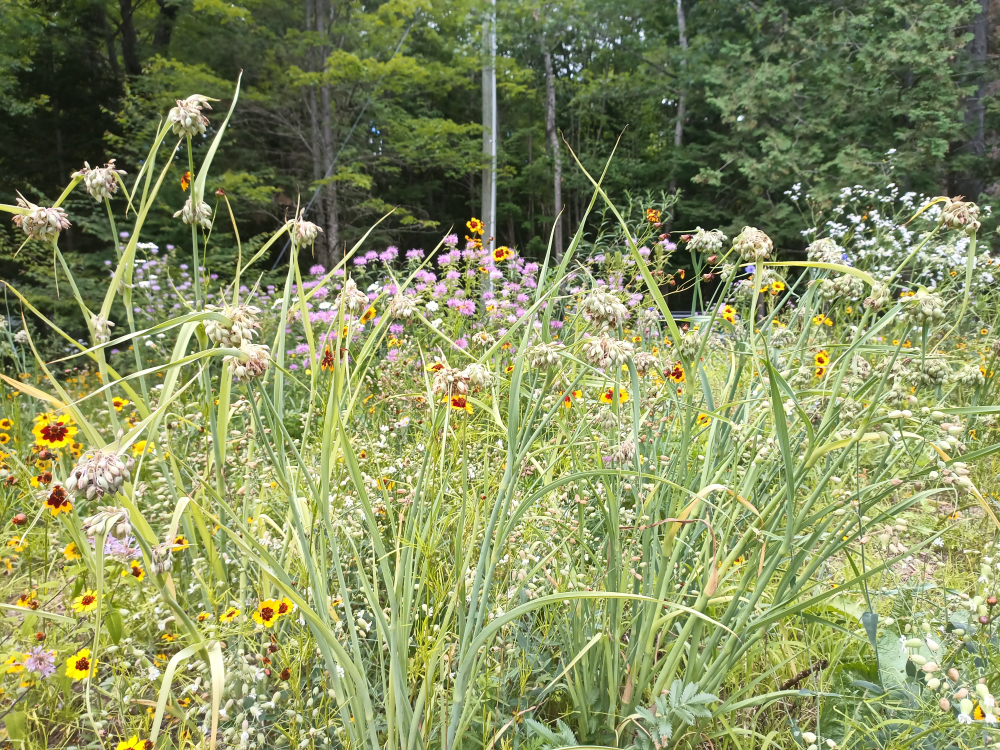
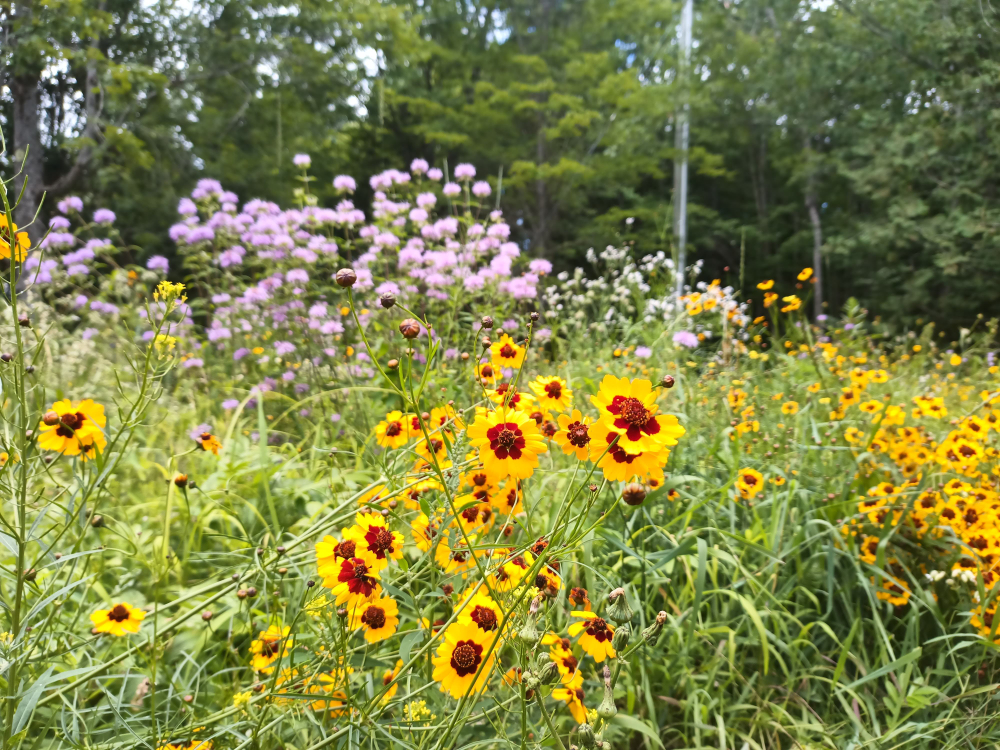
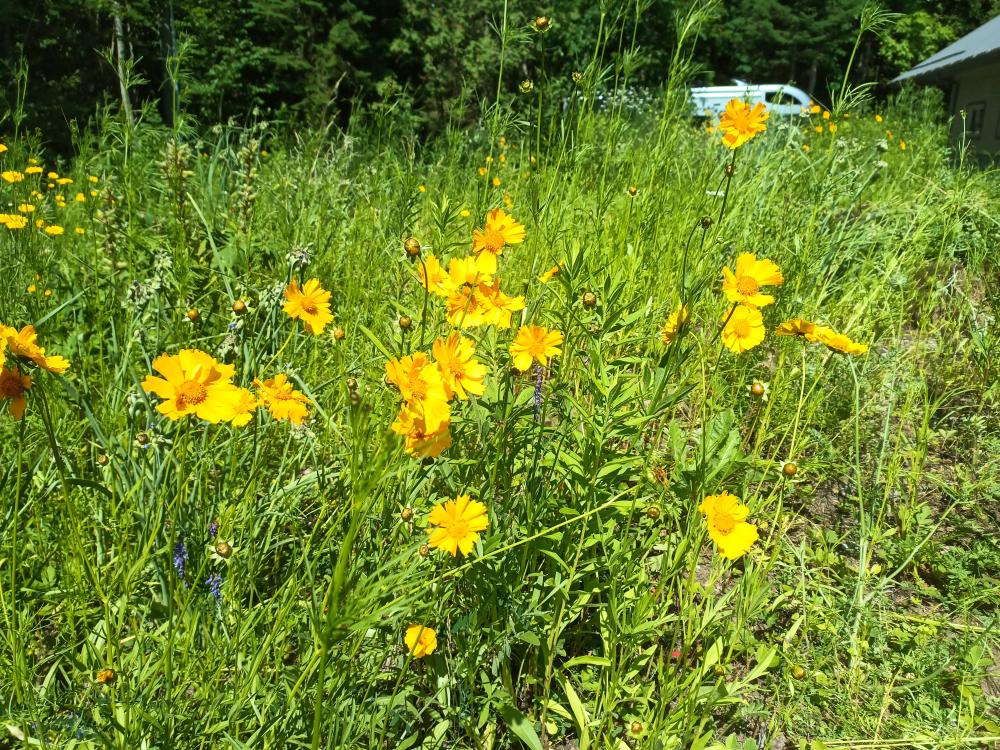
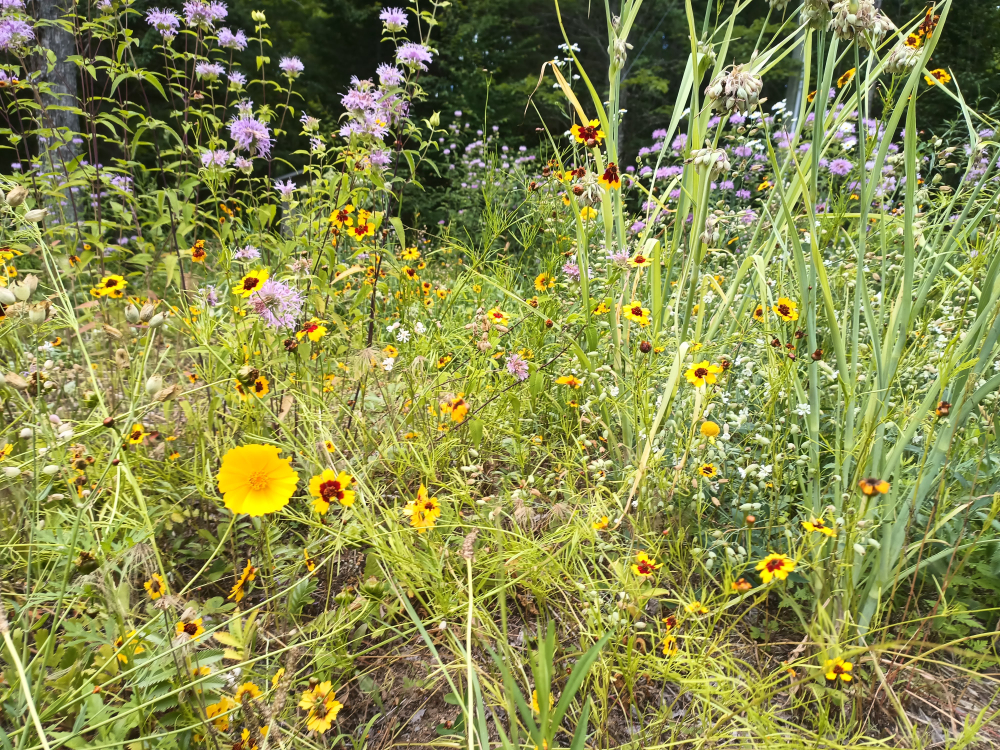
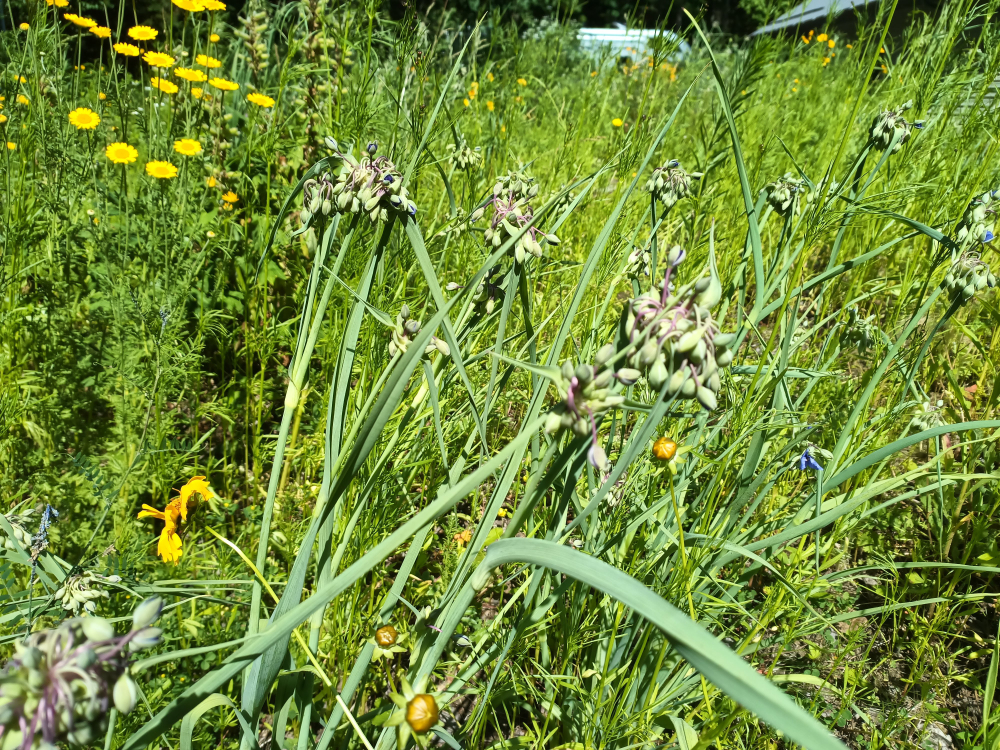
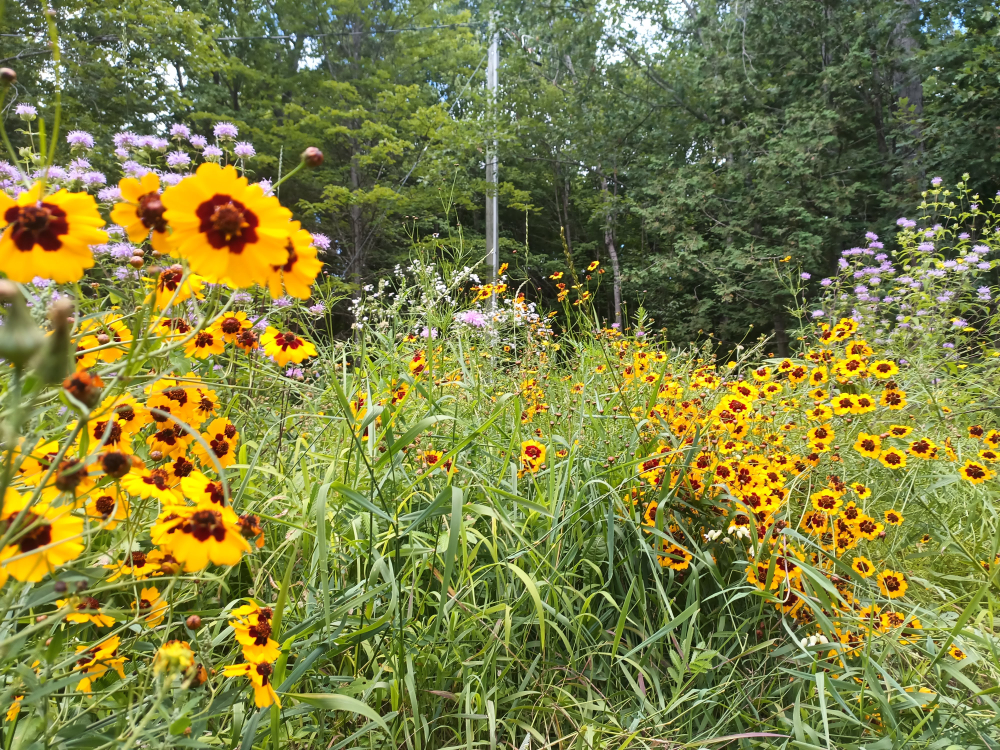
Our clients took the opportunity create a native plant prairie on a new septic leach bed. Installed June 2024.
Plant Selection and Layout Methodology
Project Overview
A 1,500 sq ft septic leach bed at a property in Algonquin Highlands required transformation from bare ground to a functional native planting. The site presented a layered constraint problem: full sun exposure, sandy dry soil, septic infrastructure prohibiting deep-rooted plants, significant deer and rabbit pressure, and the ongoing need for septic system transpiration. Rather than fighting these conditions, the design embraced them as the foundation for a dry prairie plant community.
Site Analysis Summary
Light Conditions
The site receives full sun throughout the growing season. This is the dominant site factor and immediately narrows plant selection to sun-loving species. The challenge isn’t finding plants that tolerate sun—it’s matching sun-loving plants to the other constraints.
Physical evidence pointed to sandy, dry, low-fertility conditions:
- Sandy texture visible at planting depth
- Rapid drainage observed during installation
- Existing vegetation (or lack thereof) consistent with nutrient-poor substrate
- Location over septic leach bed confirms sand component of engineered fill
The naturalistic interpretation: These conditions favour stress-tolerant (S-strategy) plants. Low-fertility sandy soil isn’t a problem to solve—it’s a feature that reduces weed pressure and selects for stable, low-maintenance plant communities. Conventional horticulture would recommend amendments; naturalistic design works with existing conditions.
CSR strategy determination: S-dominant matrix with drought-adapted forbs. The combination of full sun, sandy soil, and dry conditions points directly to prairie species—plants evolved for exactly these circumstances.
Site-Specific Constraints
Septic leach bed infrastructure imposed hard restrictions on plant selection:
- No deep taproots (would interfere with pipes)
- No aggressive water-seeking species (would compromise septic function)
- No thick mat-forming root systems (could impede drainage)
- Shallow-rooted plants preferred (transpiration benefits the system)
Deer and rabbit pressure required attention to browse resistance. The design acknowledged that some nibbling is inevitable and selected species generally less attractive to herbivores while accepting that absolute protection is impossible.
Existing vegetation: Wild lupines already established at the property edges were retained and worked around rather than removed.
Client Parameters
The design prioritized bloom succession from late spring through fall to ensure visual interest.
Design Strategy
The Prairie Solution
The constraint stack—full sun, dry sandy soil, septic restrictions, deer pressure—pointed to a single coherent answer: dry prairie plant community. This isn’t a compromise; prairie plants evolved for precisely these conditions. They want full sun, tolerate drought, have appropriate root architecture, and many have chemical or textural defences against browsers.
Two-Layer Approach
Standard naturalistic design uses three layers: matrix, structural, and vignette. This project omitted the structural layer due to septic constraints. Most structural plants (shrubs, large grasses) have root systems incompatible with leach bed function.
The two-layer system:
- Groundcover matrix (60% of planting): Weed suppression and soil stabilization
- Vignette layer (40%): Visual interest and pollinator support
Dense Planting Rationale
The design specified 1,920 plants across 1,500 sq ft—roughly 1.28 plants per square foot. This density reflects a core naturalistic principle: wherever bare ground exists, something will grow. Dense planting ensures the “something” is the chosen plant community rather than opportunistic weeds. The client isn’t paying for 1,920 plants; they’re paying for weed exclusion through competition.
Block Repetition System
The garden was designed in 15 blocks of 10×10 ft, each containing the same plant palette in consistent positions. This creates visual repetition across the space—the “drift” effect of naturalistic planting—while making installation systematic and manageable.
Plant Community Structure
Groundcover Matrix Selection

The squares represent matrix species, the dots vignette species.
Six species form the groundcover layer, each contributing to the functional requirements:
| Species | Common Name | % of Total | Quantity | Selection Rationale |
|---|---|---|---|---|
| Fragaria virginiana | Wild Strawberry | 15% | 225 | Early greening, light spreading, edible fruit, shallow fibrous roots |
| Potentilla anserina | Silverweed | 15% | 225 | Runner-spreading groundcover, silver-backed leaves, yellow flowers |
| Sporobolus cryptandrus | Sand Dropseed | 10% | 150 | True sand-specialist grass, provides bee nesting material |
| Geum triflorum | Prairie Smoke | 10% | 150 | Early blooming, wispy seed heads, shallow roots |
| Schizachyrium scoparium | Little Bluestem | 10% | 150 | Classic prairie grass, bronze fall colour, standing winter interest |
| Eragrostis spectabilis | Purple Lovegrass | 10% | 150 | Purple seed clouds, late-season interest |
Why six species instead of one dominant matrix: Ecological redundancy. If one species underperforms in specific microsites, others fill the gap. The mix also extends seasonal interest—Wild Strawberry and Prairie Smoke green up early while Little Bluestem provides fall and winter structure.
Silverweed note: This species was flagged as the primary establishment-phase concern. Its runner habit could potentially outcompete other groundcovers if conditions favour aggressive spreading. First-year monitoring is required.
Vignette Layer Selection
Eleven forb species provide pollinator resources and visual interest across the growing season:
| Species | Common Name | % | Qty | Bloom Period | Selection Rationale |
|---|---|---|---|---|---|
| Coreopsis lanceolata | Lanceleaf Coreopsis | 7% | 105 | June-Sept | Early succession, prolific yellow bloom |
| Rudbeckia hirta | Black-Eyed Susan | 7% | 105 | June-Sept | Ruderal (reseeding), classic prairie forb |
| Penstemon hirsutus | Hairy Beardtongue | 7% | 105 | June-July | Early bloom, pale blue flowers |
| Monarda fistulosa | Wild Bergamot | 7% | 105 | June-Sept | Long bloom, mint family deer resistance |
| Symphyotrichum ericoides | Heath Aster | 7% | 105 | Aug-Sept | Late-season nectar, fine texture |
| Aquilegia canadensis | Wild Columbine | 5% | 75 | May-July | Early hummingbird resource, airy foliage |
| Anaphalis margaritacea | Pearly Everlasting | 5% | 75 | July-Oct | Dried-flower persistence, American Lady host |
| Pycnanthemum tenuifolium | Slender Mountain Mint | 4% | 60 | July-Sept | Strong deer resistance, spreads moderately |
| Echinacea pallida | Pale Purple Coneflower | 4% | 60 | June-Aug | Shoulders only—has taproot |
| Allium cernuum | Nodding Onion | 3% | 45 | July-Aug | Onion smell deters browsers |
| Asclepias tuberosa | Butterfly Weed | 2% | 30 | July-Aug | Monarch resource, slow establishment |
Placement Constraints
Pale Purple Coneflower is the only species with a deep taproot. These 60 plants were positioned exclusively on the leach bed shoulders and near the house. This demonstrates how constraint-based design works: the plant wasn’t excluded from the palette, but its position was controlled.
Butterfly Weed at only 2% allocation reflects its slow establishment rate and cost. These plants were dotted throughout rather than clustered, accepting that their visual impact will build over years.
Succession Strategy
The “Succession” column in the plant schedule indicates bloom timing within the season:
- Early succession: Coreopsis and Black-Eyed Susan—fast-establishing, shorter-lived species that provide immediate impact
- Late succession: Butterfly Weed—slow to establish but long-lived once mature
- All: Most species, indicating consistent presence once established
This framing acknowledges that Year 1 will look different from Year 5. The early succession species carry the visual weight initially while slower plants mature.
Bonus Plants
Several substitutions and additions occurred during installation:
Ohio Speedwort: Substitution from the grower. Thick spikey leaves and purple ephemeral flowers provide textural contrast.
Green-headed Coneflower (4 plants): Added opportunistically in slightly wetter microsites near the driveway entrance and toward a lower area. These were bonus stock that needed planting—if soil moisture proves inadequate, their loss is acceptable.
What Was Excluded and Why
Common Milkweed (Asclepias syriaca): Aggressive rhizomatous spreading habit incompatible with designed plant community. Butterfly Weed provides Monarch resources without the management burden.
Deep-rooted prairie forbs: Species like Compass Plant (Silphium laciniatum), Prairie Dock (Silphium terebinthinaceum), and most Liatris species have taproots extending 6-15 ft—completely incompatible with septic infrastructure.
Moisture-demanding species: Any species requiring consistent moisture would fail in this setting and potentially seek water from the septic system.
Aggressive spreaders: Species with vigorous rhizome or runner systems were limited or excluded to prevent dominance issues.
Spatial Organization
Block System
The 10×10 ft block grid serves multiple functions:
Installation efficiency: Each block contains the same plant quantities in consistent relative positions. This makes planting systematic rather than improvisational.
Visual repetition: The same plant groupings appearing across blocks creates the naturalistic “drift” effect—species appear to flow across the space rather than being spotted randomly.
Future management: Blocks provide reference points for monitoring. If one area underperforms, the block system helps identify and address problems systematically.
Textural Balance
The design achieves approximately:
- Fine texture (45%): Grasses and fine-leaved forbs
- Medium texture (35%): Standard perennials, coreopsis, bergamot
- Bold accents (20%): Coneflowers, Black-Eyed Susan, larger forbs
This ratio provides sufficient visual interest for a prairie planting while avoiding the “chaotic” appearance that can result from too many bold elements competing.
Bloom Succession Calendar
| Month | Primary Bloom |
|---|---|
| May | Prairie Smoke, Wild Columbine, Wild Strawberry |
| June | Coreopsis, Penstemon, Silverweed, Pale Purple Coneflower begins |
| July | Bergamot, Mountain Mint, Nodding Onion, Black-Eyed Susan, Butterfly Weed |
| August | Black-Eyed Susan continues, Pearly Everlasting, Heath Aster begins |
| September | Heath Aster, seed head interest from grasses |
| October | Bronze grass colour, standing structure |
This succession ensures continuous interest during the seasons.
Expected Development
Year One: Establishment
The primary goal is root establishment, not visual impact. Coverage expected to reach 60-70% by fall. Weed pressure will be highest during this phase—the dense planting strategy provides competition, but active management (primarily preventing annual weeds from setting seed) remains necessary.
Critical first-summer tasks:
- Watering if no significant rain for 5+ days
- No weeding for first 30 days (some plants are very small and easily mistaken for weeds; seeded areas need germination time)
- After 30 days: remove perennial weeds, manage annual weeds by preventing flowering
Years Two-Three: Filling In
Groundcover matrix species extend coverage toward 85-95%. Vignette species begin blooming more reliably. Black-Eyed Susan and Coreopsis self-seed into gaps. Little Bluestem clumps expand. The “awkward teenager” phase—not yet mature but showing intention.
Silverweed requires monitoring. If it begins dominating, selective removal maintains balance. Prairie Smoke and Wild Strawberry should be spreading visibly.
Year Five Plus: Mature Community
The planting functions as a self-managing prairie community. Annual weeds are outcompeted by dense groundcover. Grasses provide standing winter structure. Management shifts from establishment support to optional aesthetic editing—removing plants if any species becomes dominant, adding species if gaps appear.
Long-term management needs:
- Cut back dead stems in spring after soil temperatures exceed 10°C (insect habitat until then)
- Occasional editing if any species dominates
- No fertilization (maintains stress selection)
- No irrigation except during extreme drought
Summary
- Site conditions observed: Full sun, sandy dry soil, septic leach bed infrastructure
- This indicated: S-strategy dominance appropriate; prairie plant community the logical answer
- Site constraints added: Shallow roots required over pipes, deer resistance preferred, seasonal occupancy defined bloom priorities
- Constraints filtered to: Dry prairie palette with specific position restrictions for taproot species
- Design challenge: Creating visual interest and ecological function within infrastructure constraints
- Solution: Dense two-layer planting with block repetition; six-species groundcover matrix for redundancy; eleven vignette species for succession; taprooted species restricted to shoulders
- Result: A design that works with site conditions rather than against them, requiring minimal inputs after establishment
The project demonstrates that constraints don’t limit design—they clarify it. The septic leach bed isn’t a problem requiring creative workarounds; it’s a site condition that points directly to an appropriate plant community. Prairie plants want what this site offers.
Get updates by email
Fill out the form to get updates about Grounded and native plant gardening.